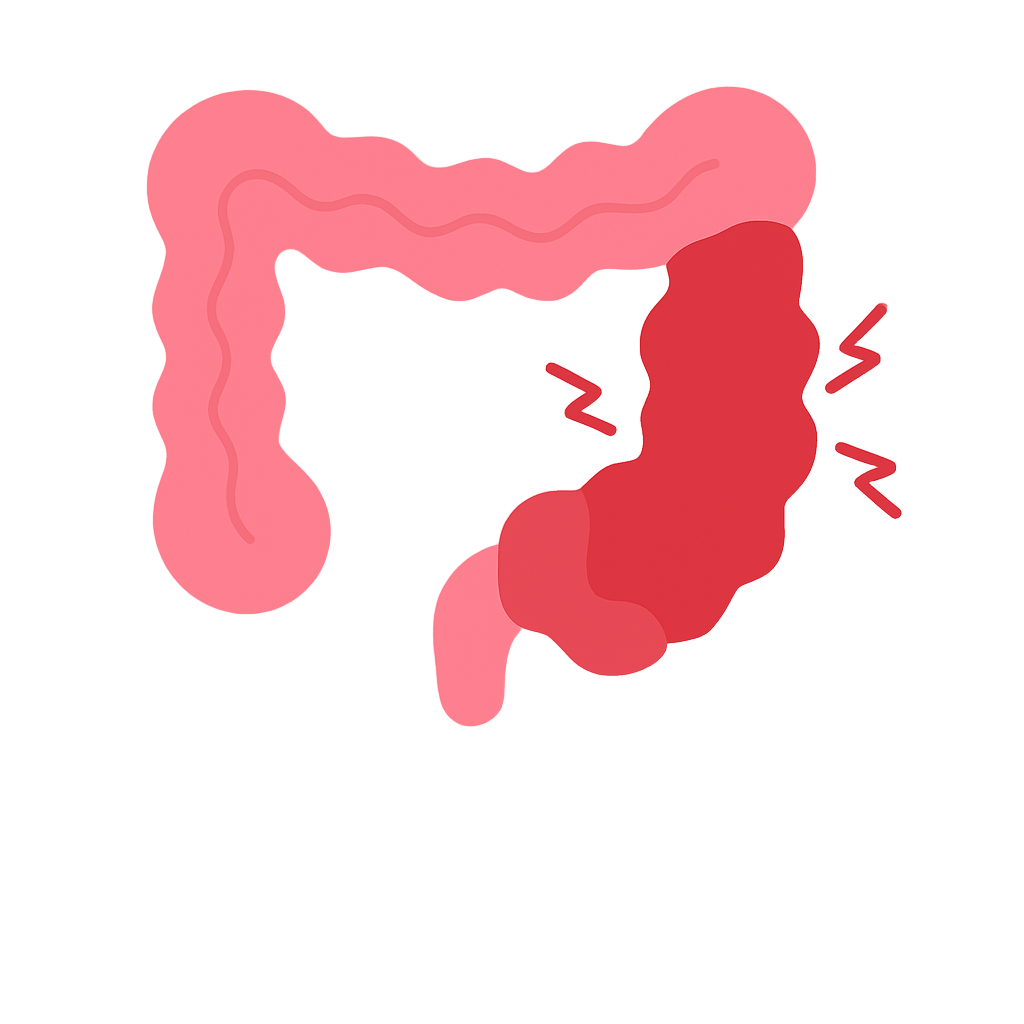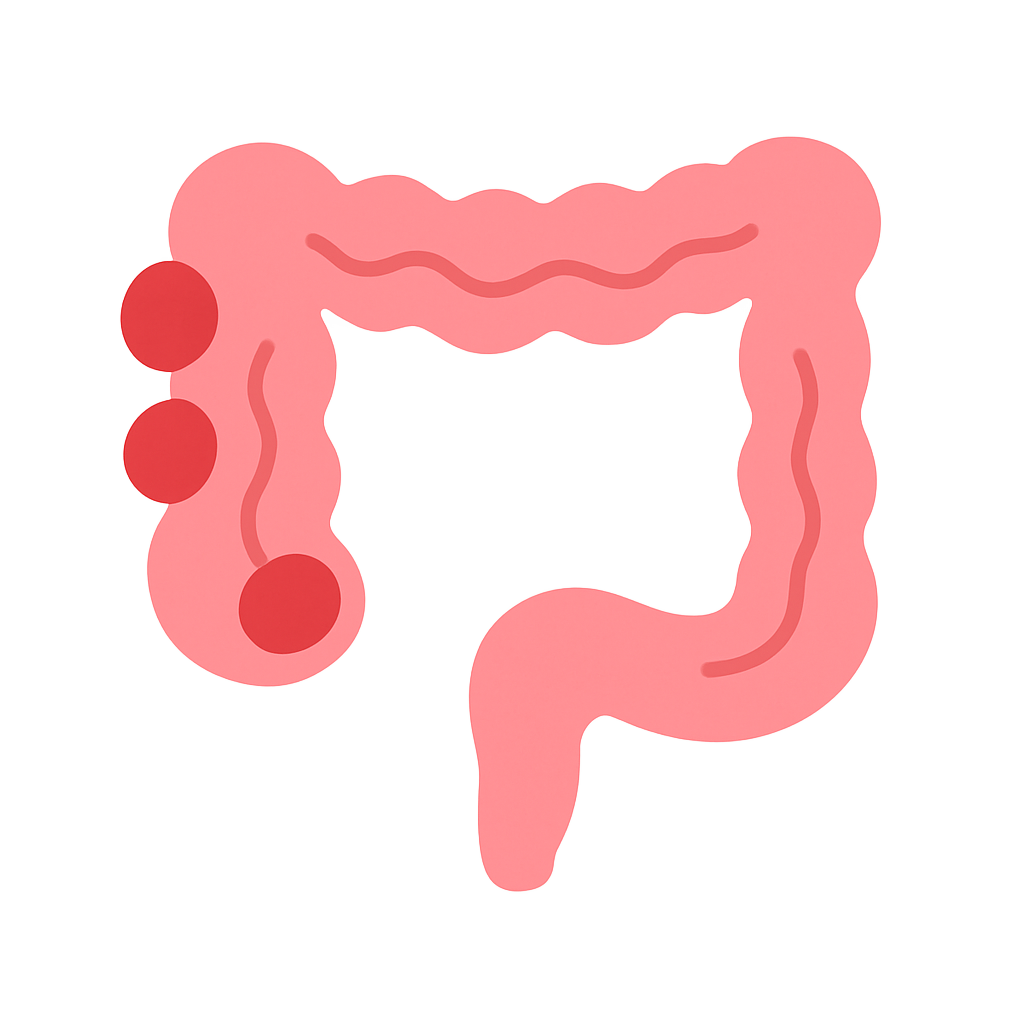
Colorectal Cancer

Definition:
Colorectal cancer is a type of cancer that starts in the colon or rectum, which are parts of the large intestine. It typically begins as a benign growth, known as a polyp, on the inner lining of the colon or rectum. Over time, some of these polyps can become cancerous, invading deeper layers of the bowel wall and potentially spreading to other parts of the body.

The exact cause of colorectal cancer is not fully understood, but several factors increase the risk of developing it:

  • Genetic factors: A family history of colorectal cancer or inherited genetic syndromes like Lynch syndrome or familial adenomatous polyposis (FAP) significantly increases risk.
  • Age: The majority of cases occur in people over the age of 50.
  • Lifestyle factors: A diet high in red and processed meats, low in fiber, obesity, lack of physical activity, smoking, and heavy alcohol use can increase the risk.
  • Chronic inflammatory conditions: Conditions like inflammatory bowel disease (Crohn’s disease and ulcerative colitis) are associated with a higher risk of colorectal cancer.
  • Personal history of polyps or cancer: Previous polyps or a history of other cancers can elevate risk.

Symptoms of colorectal cancer can vary depending on the location and stage of the cancer but commonly include:

  • Changes in bowel habits: Persistent diarrhea, constipation, or a feeling that the bowel does not empty completely.
  • Rectal bleeding or blood in the stool: Blood may appear bright red or darker in color.
  • Abdominal discomfort: Cramping, pain, or bloating.
  • Unexplained weight loss: Sudden weight loss without a clear reason.
  • Weakness and fatigue: Often due to anemia from blood loss.
  • Narrow stools: A change in stool shape, such as becoming thin or ribbon-like, could indicate a tumor in the colon or rectum.
  • Persistent urge to have a bowel movement: Even after having one.

Treatment for colorectal cancer depends on the stage of the disease, the location of the cancer, and the patient’s overall health. Common treatments include:

1. Surgery:

  • Polypectomy: For early-stage cancers, removing the polyp during a colonoscopy might be sufficient.
  • Partial colectomy: Removal of the part of the colon or rectum containing the cancer, often with the rejoining of the healthy portions.
  • Colostomy or ileostomy: If reconnection of the bowel is not possible, an opening (stoma) might be created in the abdomen to allow waste to exit the body.
  • Laparoscopic surgery: A minimally invasive option for removing tumors.


2. Chemotherapy:

  • Used to destroy cancer cells, shrink tumors before surgery, or reduce the risk of cancer recurrence after surgery. It can also be used for advanced cancers to relieve symptoms.


3. Radiation Therapy:

Often used for rectal cancer, either before surgery to shrink the tumor or after surgery to destroy any remaining cancer cells.

4. Targeted Therapy:

  • These drugs specifically target cancer cells’ mechanisms, such as those blocking the growth of blood vessels that supply tumors (e.g., bevacizumab) or those targeting specific proteins in cancer cells (e.g., cetuximab).

5. Immunotherapy:
This treatment boosts the body’s immune system to fight cancer. It’s typically used for advanced cancers or those with specific genetic mutations (e.g., microsatellite instability-high, MSI-H).

6. Follow-up Care:
Regular monitoring with blood tests, imaging, and colonoscopies is essential after treatment to check for recurrence and manage any long-term side effects.

7. Palliative Care:
For advanced colorectal cancer, palliative care focuses on managing symptoms and improving quality of life.


• Regular screening: Colonoscopy, stool tests, and other screening methods are crucial for detecting precancerous polyps and early-stage cancer when treatment is most effective.
• Healthy lifestyle: A diet rich in fruits, vegetables, and whole grains, maintaining a healthy weight, regular exercise, and avoiding smoking and excessive alcohol can reduce the risk of colorectal cancer.

Colorectal cancer is one of the most common cancers worldwide, but with early detection and appropriate treatment, the chances of successful management and recovery are significantly improved.
Inflammatory Bowel Disease (IBD)

Definition:
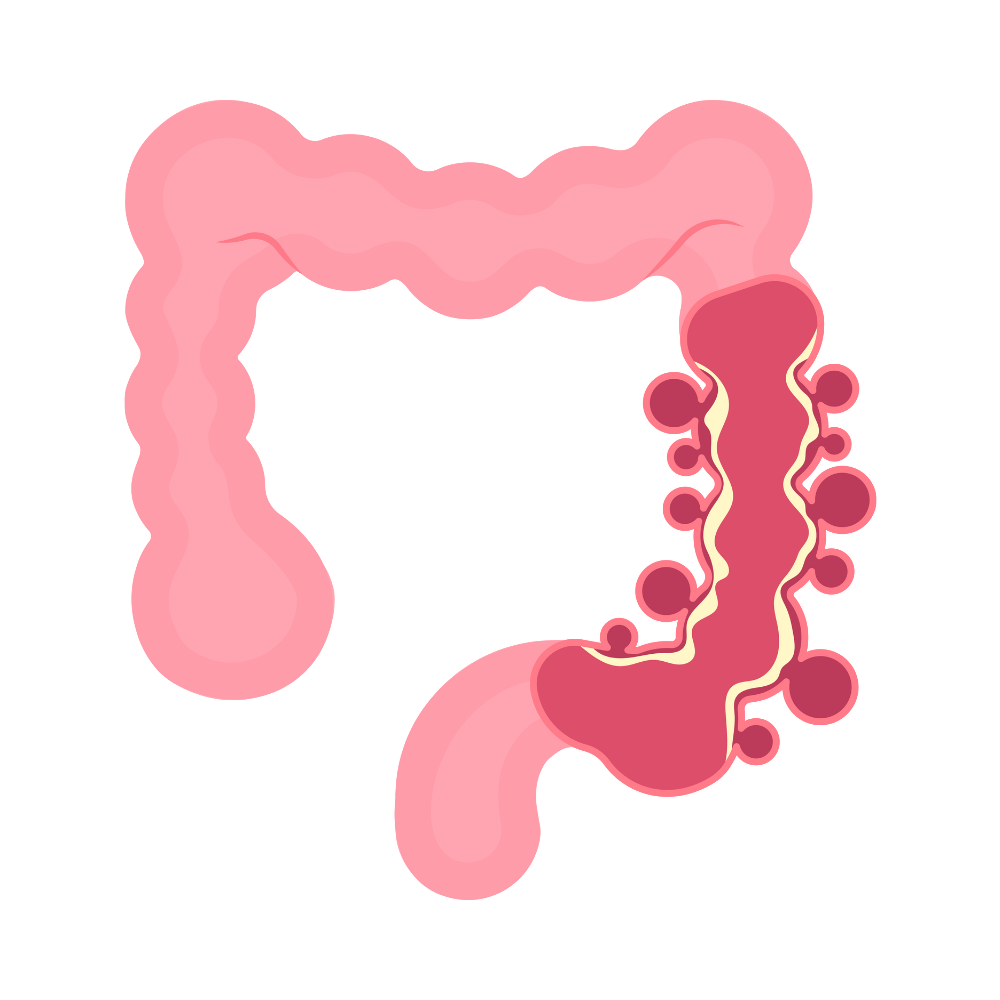
Inflammatory Bowel Disease (IBD) is a term used to describe chronic inflammatory conditions of the gastrointestinal (GI) tract. The two main types of IBD are Crohn’s disease and ulcerative colitis. While both conditions involve inflammation of the digestive tract, they affect different parts of the GI system and have distinct characteristics.

The exact cause of IBD is not fully understood, but it is believed to result from a combination of genetic, environmental, and immune system factors. In people with IBD, the immune system mistakenly attacks the cells of the GI tract, leading to chronic inflammation. Factors such as a family history of IBD, certain infections, smoking, diet, and stress may increase the risk of developing the condition.

Symptoms of IBD can vary depending on the type and severity of the condition, but common symptoms include:

  • Abdominal pain and cramping: Often severe and can be a persistent issue.
  • Diarrhea: Sometimes with blood or mucus.
  • Fatigue: Due to chronic inflammation, nutrient malabsorption, and loss of blood.
  • Weight loss: Often unintended due to reduced appetite, malabsorption, or pain associated with eating.
  •  Rectal bleeding: More common in ulcerative colitis.
  •  Urgency to defecate: A frequent, sudden need to go to the bathroom.
  •  Fever: Common during flare-ups.

Treatment for IBD aims to reduce inflammation, manage symptoms, and achieve and maintain remission. The treatment plan may include:

1. Medications:

  •  Anti-inflammatory drugs: Such as aminosalicylates and   corticosteroids to reduce inflammation.
  •  Immune system suppressors: Like azathioprine, methotrexate, and   biologics (e.g., infliximab, adalimumab) to target the immune   response causing inflammation.
  •  Antibiotics: Sometimes used if infections are suspected or to   reduce intestinal bacteria that may trigger or worsen symptoms.
  • Antidiarrheal medications: To help control diarrhea.

2. Lifestyle and Dietary Changes:

  •  Diet modification: Certain foods might exacerbate symptoms, so   dietary changes tailored to the individual’s needs are often   recommended.
  •  Nutritional supplements: To address malnutrition or specific   deficiencies caused by the disease.

3. Surgery:

  • For ulcerative colitis: Surgery may involve removing the entire colon and rectum (proctocolectomy), which can cure the disease but requires a new way for waste to leave the body, such as an ileostomy or ileoanal anastomosis (J-pouch).
  •  For Crohn’s disease: Surgery might be necessary to remove   damaged sections of the GI tract, but it does not cure the disease,     and symptoms may recur.

4. Regular Monitoring:

  • Regular follow-ups with a healthcare provider to monitor the disease, adjust treatments, and screen for complications, including colon cancer, are essential for managing IBD effectively.

Diverticular Disease

Definition:
Diverticular disease refers to conditions that involve the formation of small, bulging pouches (diverticula) in the lining of the digestive tract, most commonly in the colon. It includes two main conditions:
1. Diverticulosis: The presence of diverticula in the colon, which are usually harmless and asymptomatic.
2. Diverticulitis: Inflammation or infection of one or more diverticula, leading to symptoms and potentially serious complications.

The exact cause of diverticula formation is not fully understood, but several factors are believed to contribute:

  • Diet: A low-fiber diet is a significant risk factor. Fiber helps soften stool, reducing the pressure required to move it through the colon. A lack of fiber can lead to constipation and increased pressure on the colon walls, leading to the formation of diverticula.
  • Aging: The risk of developing diverticula increases with age, as the colon wall naturally weakens over time.
  • Genetics: There may be a genetic predisposition to developing diverticula, particularly in certain populations.
  • Lack of Physical Activity: Sedentary lifestyles have been associated with a higher risk of diverticular disease.
  • Obesity: Being overweight increases the risk of diverticulitis.

1. Diverticulosis:

  • Often asymptomatic: Most people with diverticulosis don’t experience symptoms.
  • Mild symptoms (if any): Bloating, mild cramps, or changes in bowel habits, such as constipation.

2. Diverticulitis:

  • Abdominal pain: Usually in the lower left side, which may be severe and persistent.
  • Fever and chills: Indicating infection.
  • Nausea and vomiting: Common in more severe cases.
  • Changes in bowel habits: Diarrhea or constipation.
  • Tenderness in the abdomen: Often localized to the area of inflammation.
  • Bloating and gas: Due to the inflammation.
  • Rectal bleeding: Although less common, can occur if a diverticulum ruptures.

1. For Diverticulosis:

  • High-fiber diet: Increasing dietary fiber intake can help prevent constipation and reduce the risk of developing diverticulitis. Foods rich in fiber include fruits, vegetables, whole grains, and legumes.
  • Fiber supplements: May be recommended if dietary fiber alone is insufficient.
  • Hydration: Drinking plenty of water helps soften stools and reduces the pressure on the colon.
  • Regular exercise: Helps maintain healthy bowel function and reduces the risk of diverticular complications.


2. For Mild Diverticulitis:

  • Antibiotics: To treat bacterial infection if present.
  • Dietary changes: A clear liquid diet may be recommended initially to allow the colon to heal, gradually reintroducing solid foods as symptoms improve.
  • Pain relievers: Over-the-counter medications like acetaminophen can help manage pain. Nonsteroidal anti-inflammatory drugs (NSAIDs) like ibuprofen are generally avoided as they can increase the risk of bleeding and other complications.
  • Rest: Allowing the body to recover, especially during acute episodes.


3. For Severe Diverticulitis:

  • Hospitalization: May be required for intravenous antibiotics, fluids, and close monitoring.
  •  Surgery: Necessary in cases of complications such as:
  • Abscesses: Pockets of pus that form in the colon wall.
  • Perforation: A tear in the colon wall, which can lead to peritonitis, a life-threatening infection.
  • Fistulas: Abnormal connections between the colon and other organs.
  • Bowel obstruction: Blockage of the colon due to inflammation or scarring.
  • Regular check-ups: For those with a history of diverticulitis, regular medical evaluations can help manage the condition and prevent recurrence.
  • Avoiding certain foods: In the past, seeds, nuts, and popcorn were thought to aggravate diverticulitis, but recent studies suggest they don’t increase the risk of complications.

Proctology

Definition:
Proctology is a branch of medicine focused on diagnosing and treating disorders of the rectum, anus, and lower part of the gastrointestinal tract. Specialists in this field are called proctologists, though the term is increasingly being replaced by “colorectal surgeons” to reflect the broader scope of their expertise, which includes the entire colon as well.

The conditions treated in proctology arise from a variety of causes, including:

  • Genetic predisposition: Some anal and rectal conditions, such as certain types of cancer, can have a genetic component.
  • Dietary habits: A low-fiber diet can contribute to conditions like hemorrhoids and anal fissures by causing constipation.
  • Infection or inflammation: Conditions like abscesses, fistulas, and proctitis can result from infections, sexually transmitted diseases, or chronic inflammation. 
  • Straining during bowel movements: This can lead to issues like hemorrhoids or rectal prolapse. 
  • Aging: Age-related changes can contribute to conditions like rectal prolapse or incontinence.
  • Trauma or injury: Physical trauma or surgical procedures in the pelvic region can cause or exacerbate proctological conditions.

The symptoms related to proctological conditions can vary widely but often include:

  • Rectal pain or discomfort: Common in conditions like hemorrhoids, fissures, or abscesses.
  • Bleeding from the anus: Often seen in hemorrhoids, fissures, or more serious conditions like rectal cancer.
  • Itching or irritation: Associated with hemorrhoids, anal fissures, or skin conditions affecting the anus.
  • Swelling or lumps: These may indicate hemorrhoids, abscesses, or tumors.
  • Discharge or pus: Often associated with infections, abscesses, or fistulas.
  • Changes in bowel habits: Such as constipation, diarrhea, or a sense of incomplete evacuation, which can be related to various proctological conditions.
  • Incontinence: Difficulty controlling bowel movements, often due to weakening of the pelvic floor muscles or nerve damage

Treatment in proctology depends on the specific condition but may include:

1. Lifestyle and Dietary Changes:

  •  High-fiber diet: To ease bowel movements and reduce the risk of hemorrhoids and fissures. 
  • Increased fluid intake: To prevent constipation. 
  • Regular exercise: To promote regular bowel movements.

2. Medications:

  • Topical treatments: Creams or ointments for hemorrhoids or fissures to reduce pain, swelling, and itching.
  • Oral medications: Laxatives or stool softeners to ease bowel movements, and antibiotics for infections. 
  • Pain relievers: For managing discomfort associated with various proctological conditions.

3. Minimally Invasive Procedures:

  • Rubber band ligation: A common treatment for internal hemorrhoids, where a band is placed around the base of the hemorrhoid to cut off blood flow, causing it to shrink.
  • Sclerotherapy: Involves injecting a solution into hemorrhoids, causing them to shrink. 
  • Infrared coagulation: A treatment for small hemorrhoids that uses infrared light to cause blood flow to the hemorrhoid to stop.

4. Surgical Treatments:

  • Hemorrhoidectomy: Surgical removal of large or persistent hemorrhoids.
  • Fistulotomy: Surgery to open and drain an anal fistula.
  • Abscess drainage: Surgical drainage of an infected anal or rectal abscess.
  • Rectal prolapse surgery: To repair and reposition a prolapsed rectum. 
  • Cancer surgery: Removal of malignant tumors in the rectum or anus, often followed by additional treatments like chemotherapy or radiation.

5. Preventive Care and Monitoring:

  • Regular screenings: For high-risk individuals, especially those with a family history of colorectal cancer or inflammatory bowel disease.
  • Education: On proper hygiene and diet to prevent recurrence of certain conditions.


Proctology is an essential specialty within medicine, addressing conditions that can be both uncomfortable and serious, with a focus on improving patient quality of life and preventing complications.
“The best way to find yourself is to lose yourself in the service to others”